Bosphorus cruises | Discover Istanbul through the Bosphorus Strait
The Bosphorus Strait | A journey through time
The Bosphorus is not just a strait that separates two continents; it is a strategic waterway steeped in history and culture from the time of the Ancient Greeks to the Ottoman Empire and today.
Over the centuries, it has witnessed the rise and fall of civilizations, played a pivotal role in wars and conquests, and served as a vital trade route connecting Europe and Asia, all the while remaining the centrepoint of international commerce. Today, the Bosphorus Strait remains a testament to the enduring spirit of Istanbul and its people.
Quick guide to the Bosphorus Strait
Also known as: “İstanbul Boğazı” or “Karadenız Boğazı” in Turkish.
Point of origin: The Bosphorus Strait is a natural water channel in northwestern Turkey, separating Thrace (in Europe) from Anatolia (in Asia). The strait flows continuously between the Black Sea and the Sea of Marmara, the two water bodies it connects, without a specific point of origin or end.
Point of entry: Kabatas Pier is a popular starting point for Bosphorus cruises. It is located near Taksim Square and is easily accessible by tram in case your ticket does not include hotel transfers.
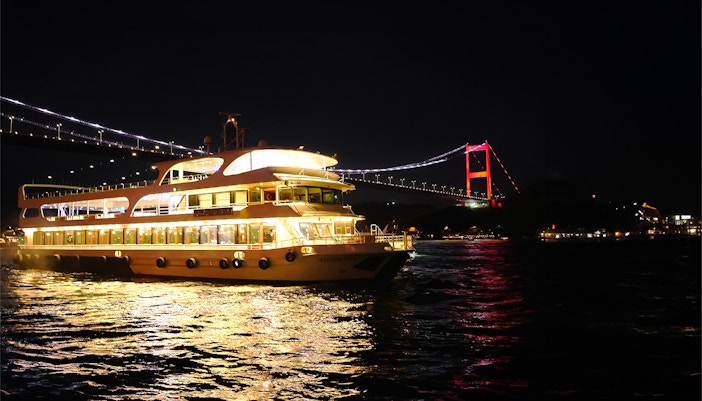
Types of cruises: Sightseeing cruises, lunch cruises, sunset and evening cruises, dinner cruises, Princes' Islands cruises, and combo cruises.
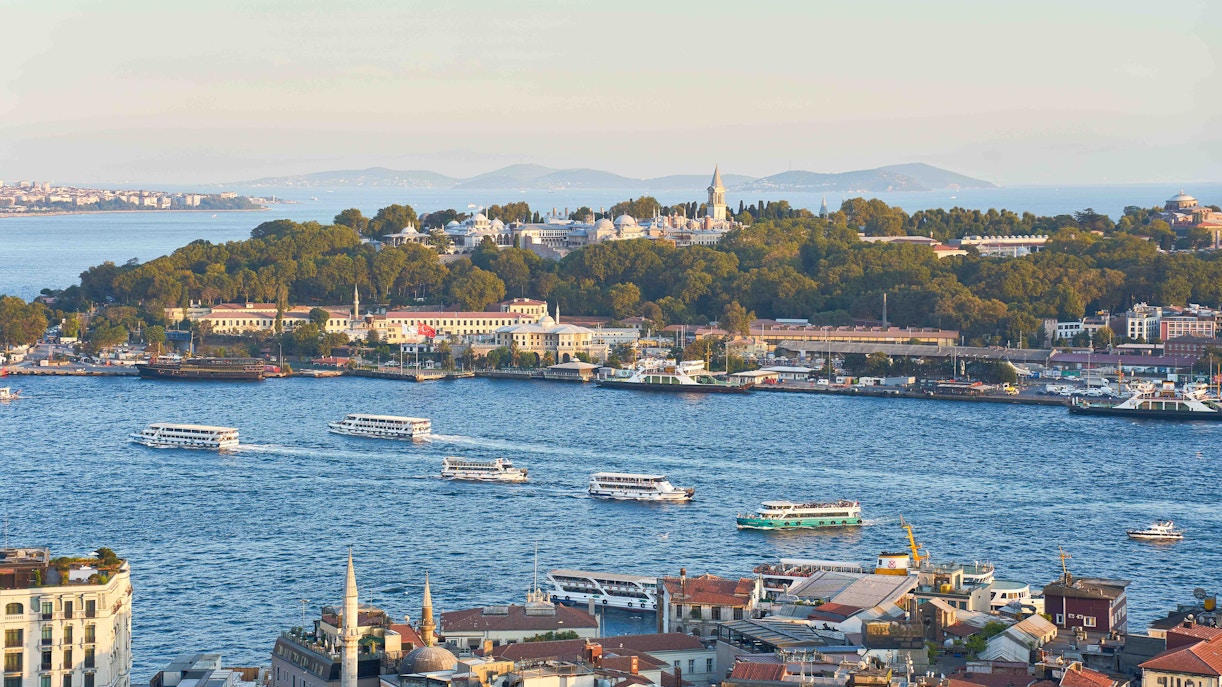
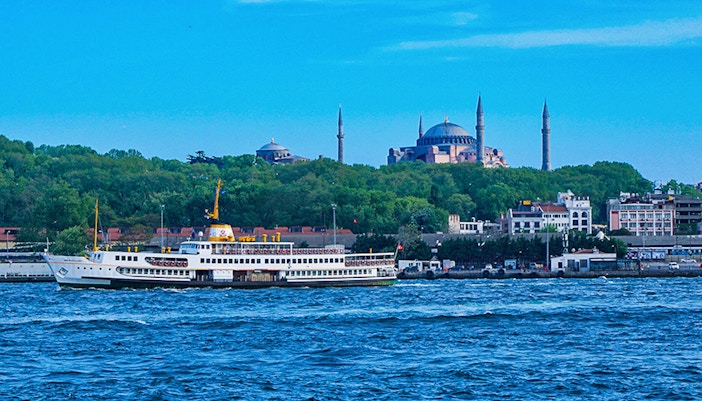
Popular sights on the Bosphorus Strait: Galata Tower | Dolmabahce Palace | Topkapi Palace | Hagia Sophia | Blue Mosque | Ciragan Palace | Ortaköy Mosque | Bosphorus Bridge | Beylerbeyi Palace | Üsküdar | Maiden's Tower (Kiz Kulesi) | Fatih Sultan Mehmet Bridge | Küçüksu Palace | Rumeli Fortress | Anatolian Fortress
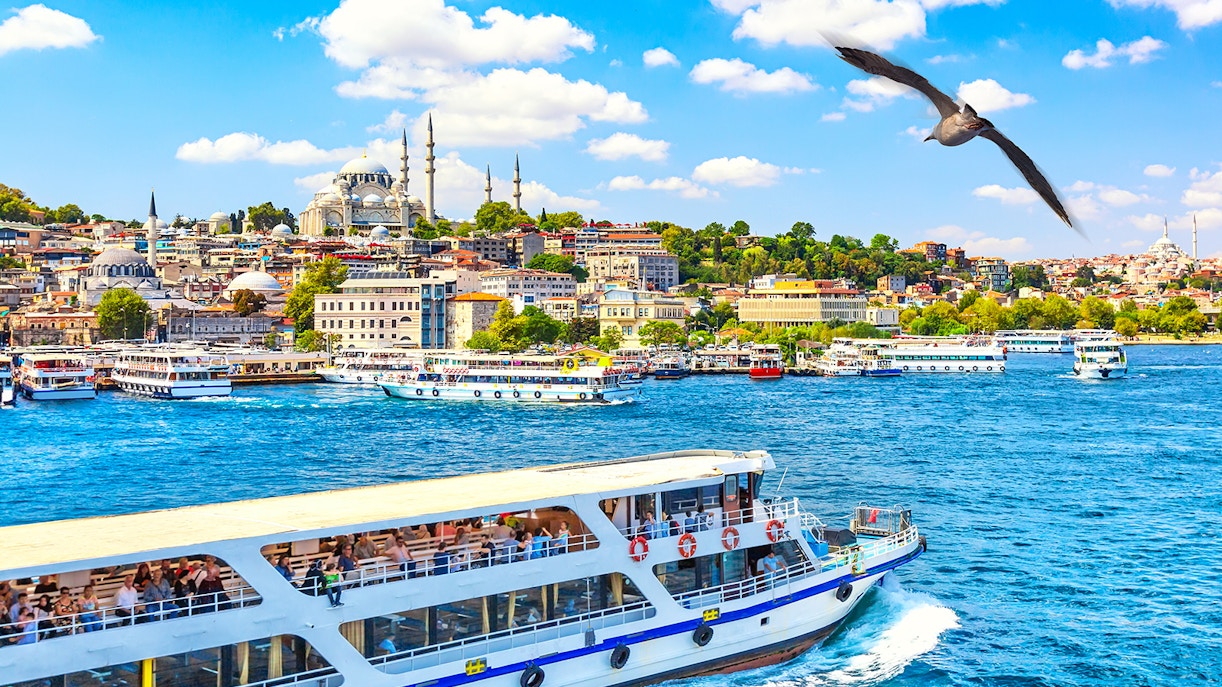
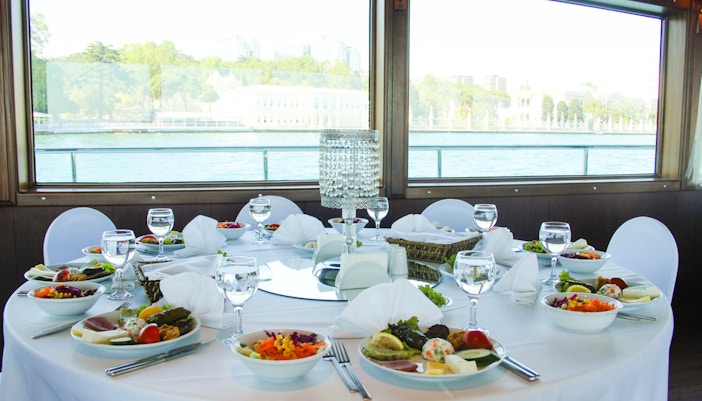
Savour an exquisite lunch on a leisurely cruise on the Bosphorus Strait while enjoying breathtaking views of Istanbul’s majestic mosques, palaces, and historic buildings.
Recommended tours:
Bosphorus & Black Sea 2-Course Lunch Cruise with Swimming Opportunity
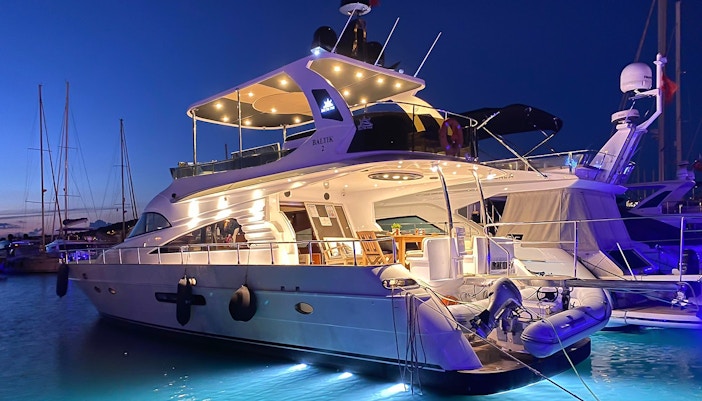
2-Hour Bosphorus Luxury Private Yacht Rental in Istanbul
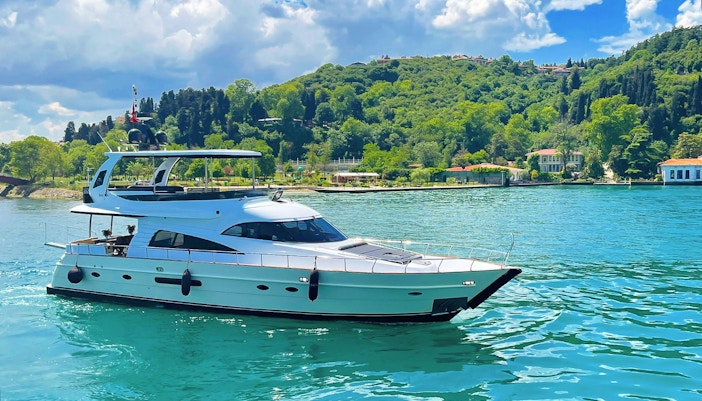
Explore the Bosphorus Strait aboard a luxurious yacht, cruising past Istanbul's historical sites and enjoying Turkish snacks and beverages while soaking in the panoramic views.
Recommended tours:
Bosphorus Luxury Yacht Day Cruise with Snacks & Turkish Coffee
2-Hour Bosphorus Luxury Private Yacht Rental in Istanbul
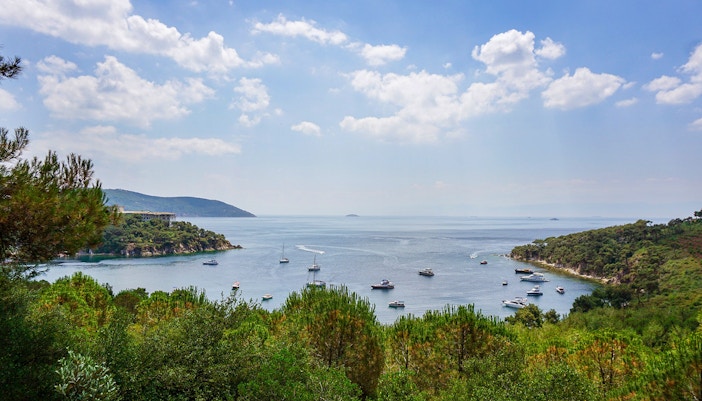
Enjoy a relaxing tour of the Princes’ Islands, with their historical architecture, picturesque car-free streets, hilltop vistas, tranquil beaches, and charming waterfront eateries.
Recommended tours:
Fast Track Princes Island Round Trip Ferry Tickets with Audio Guide
Full-Day Tour of Princes' Islands
Princes’ Islands Cruise with Buffet Lunch & Transfers
Top Istanbul landmarks to see on Bosphorus cruises
1/10
Galata Tower
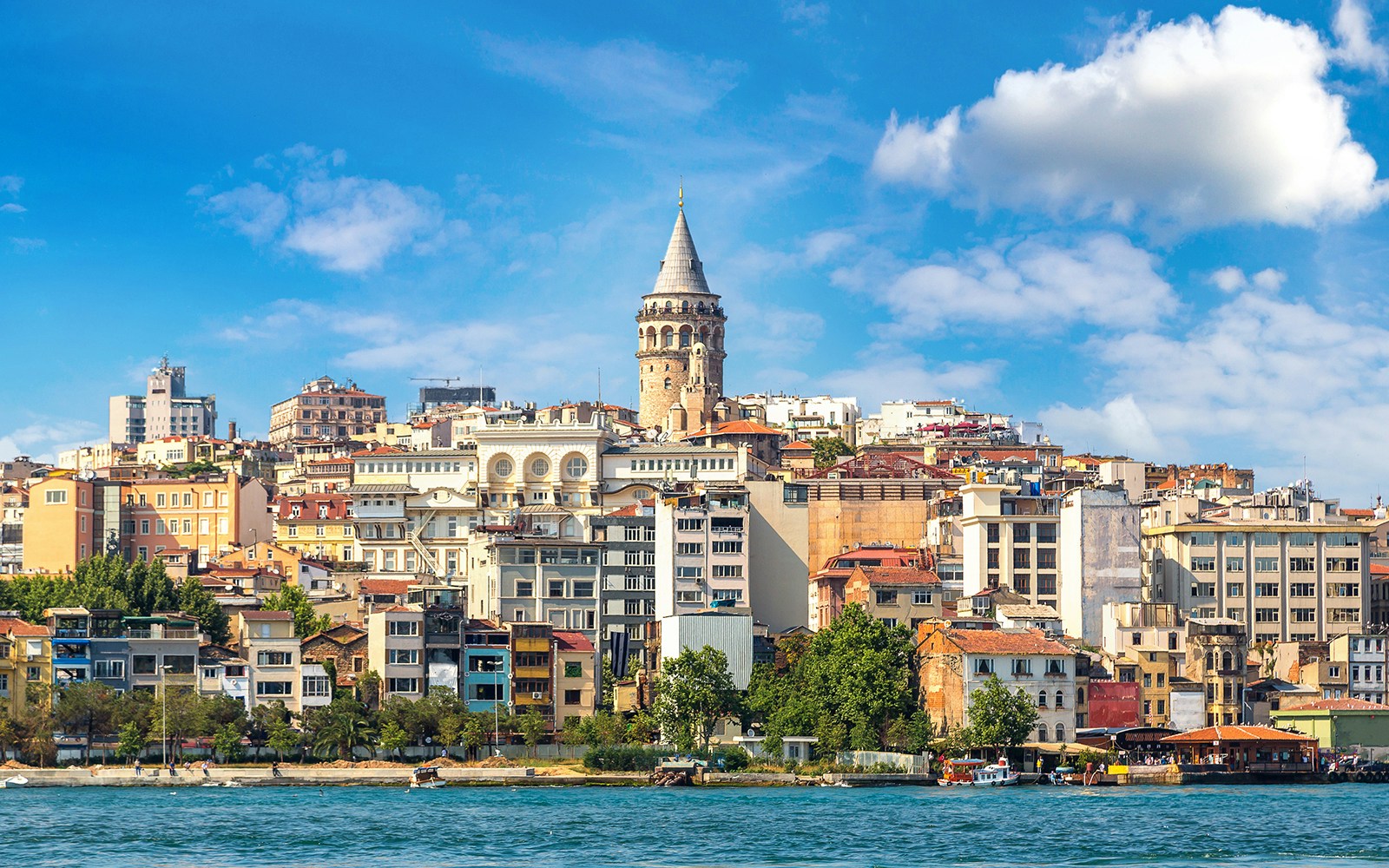
An iconic medieval tower offering panoramic views of Istanbul, the cylindrical structure of the Galata Tower dominates the skyline. It has served various purposes throughout history, from a watchtower to a prison.
Topkapi Palace
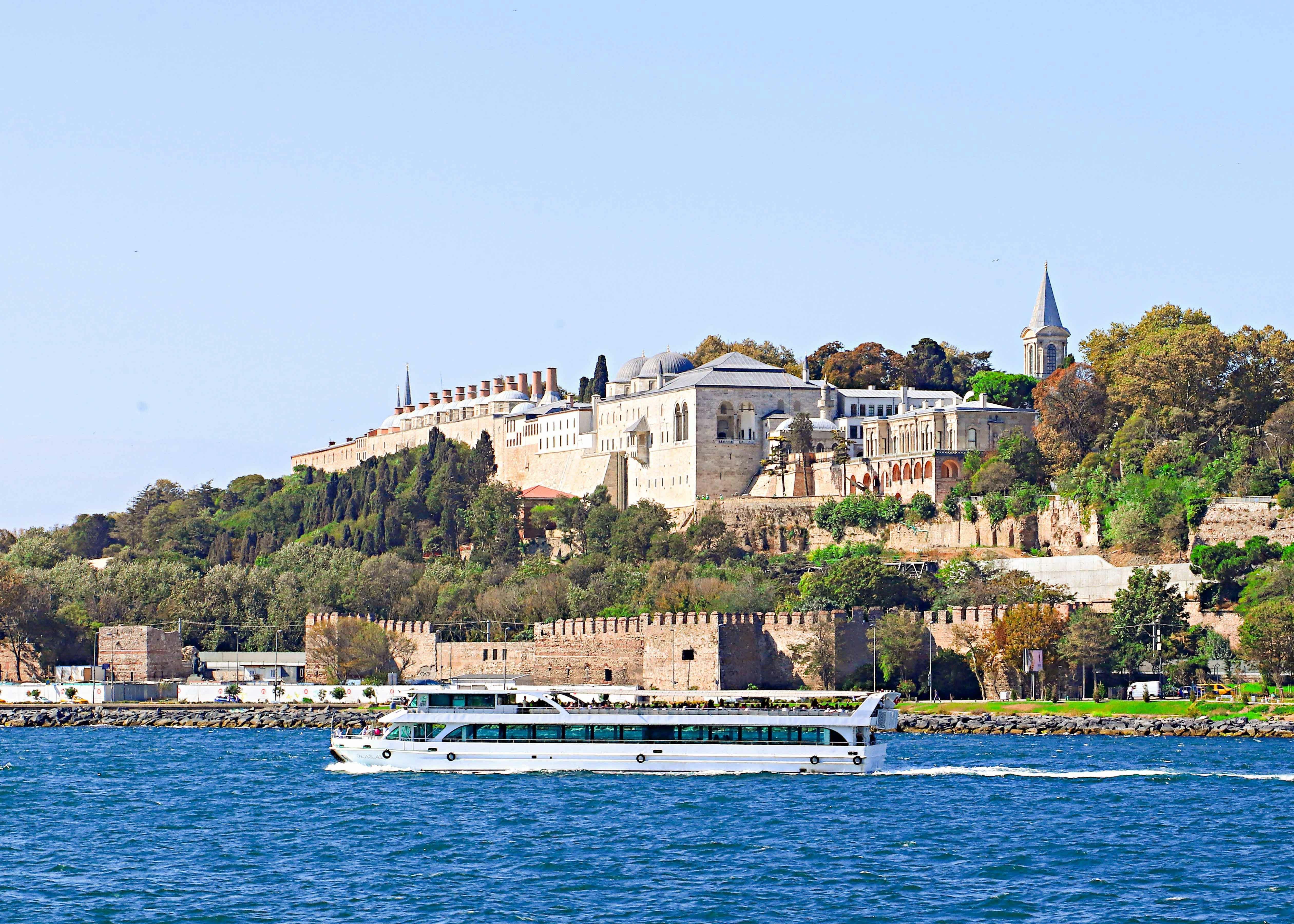
Once the residence of Ottoman sultans, the majestic 15th-century Topkapi Palace boasts intricate architecture, lush gardens, and a vast collection of treasures including jewels, weapons, and relics from Islamic and Ottoman history.
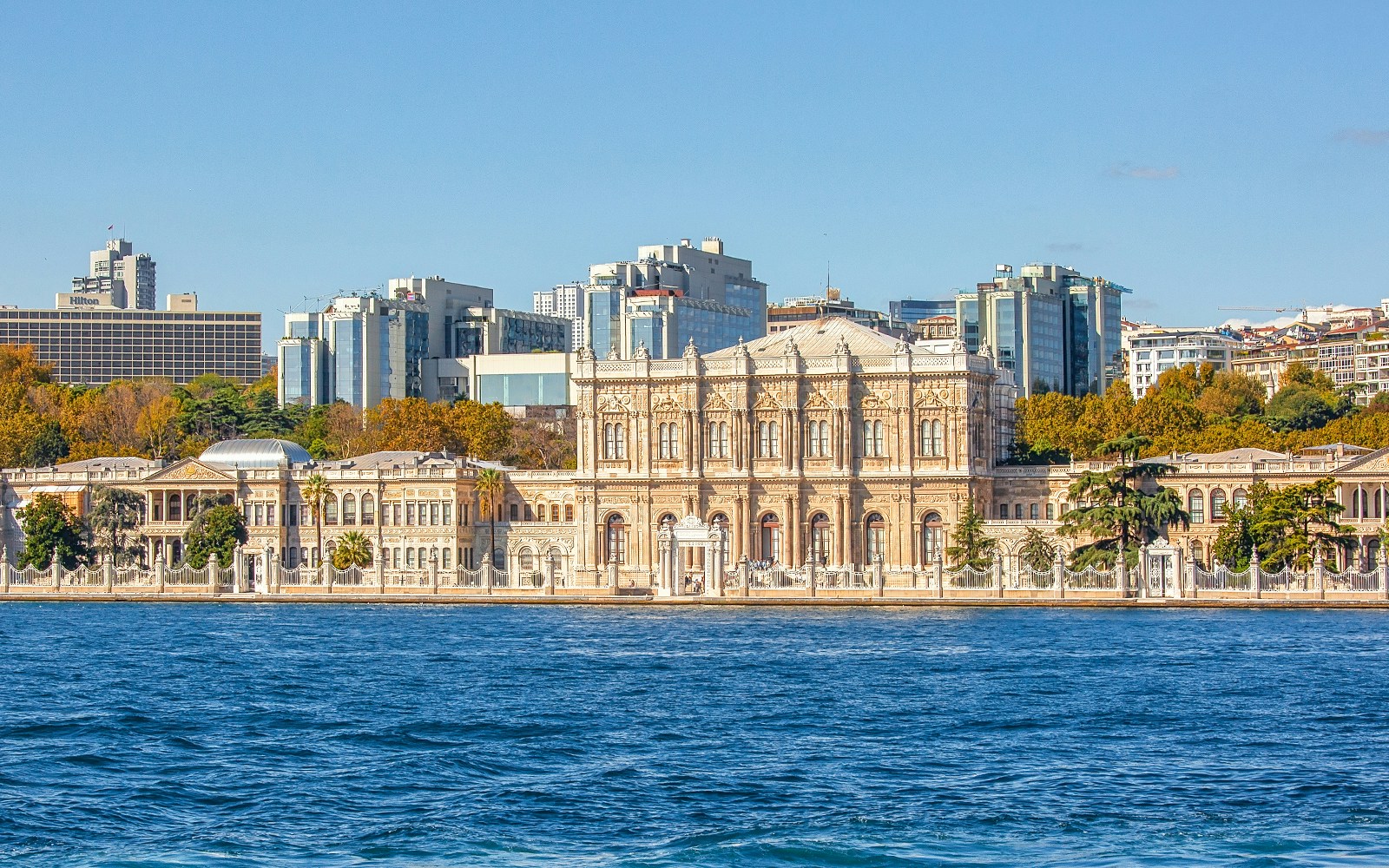
A symbol of opulence and grandeur, the 19th-century Dolmabahçe Palace showcases European-inspired architecture and lavish interiors. It served as the administrative center of the Ottoman Empire and later the Republic of Turkey.
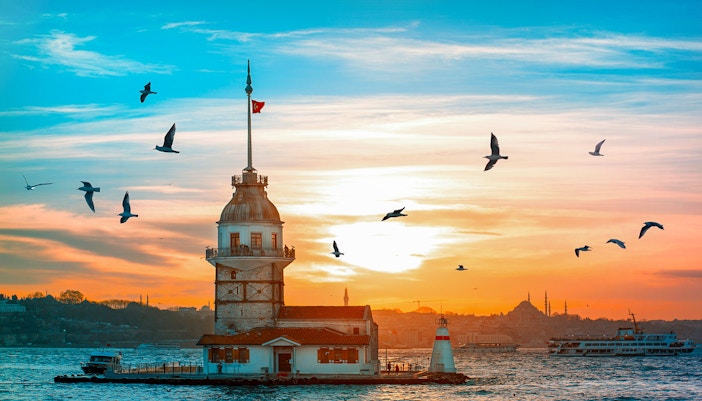
Maiden's Tower (Kız Kulesi)
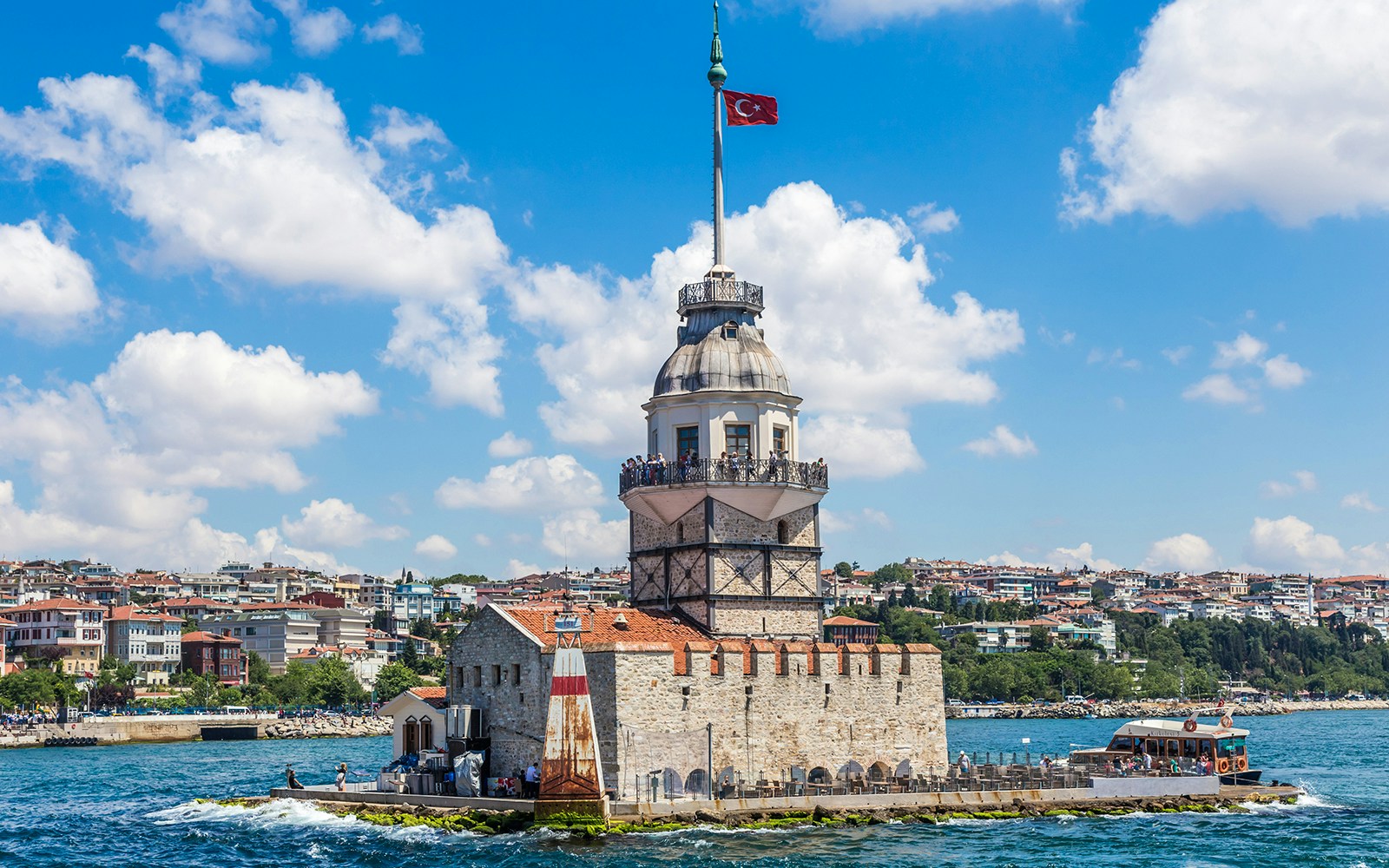
Perched on a small islet in the Bosphorus Stair, this romantic tower has a rich history dating back to ancient times. Legend has it that a maiden was imprisoned here, giving rise to its name.
Bosphorus Bridge
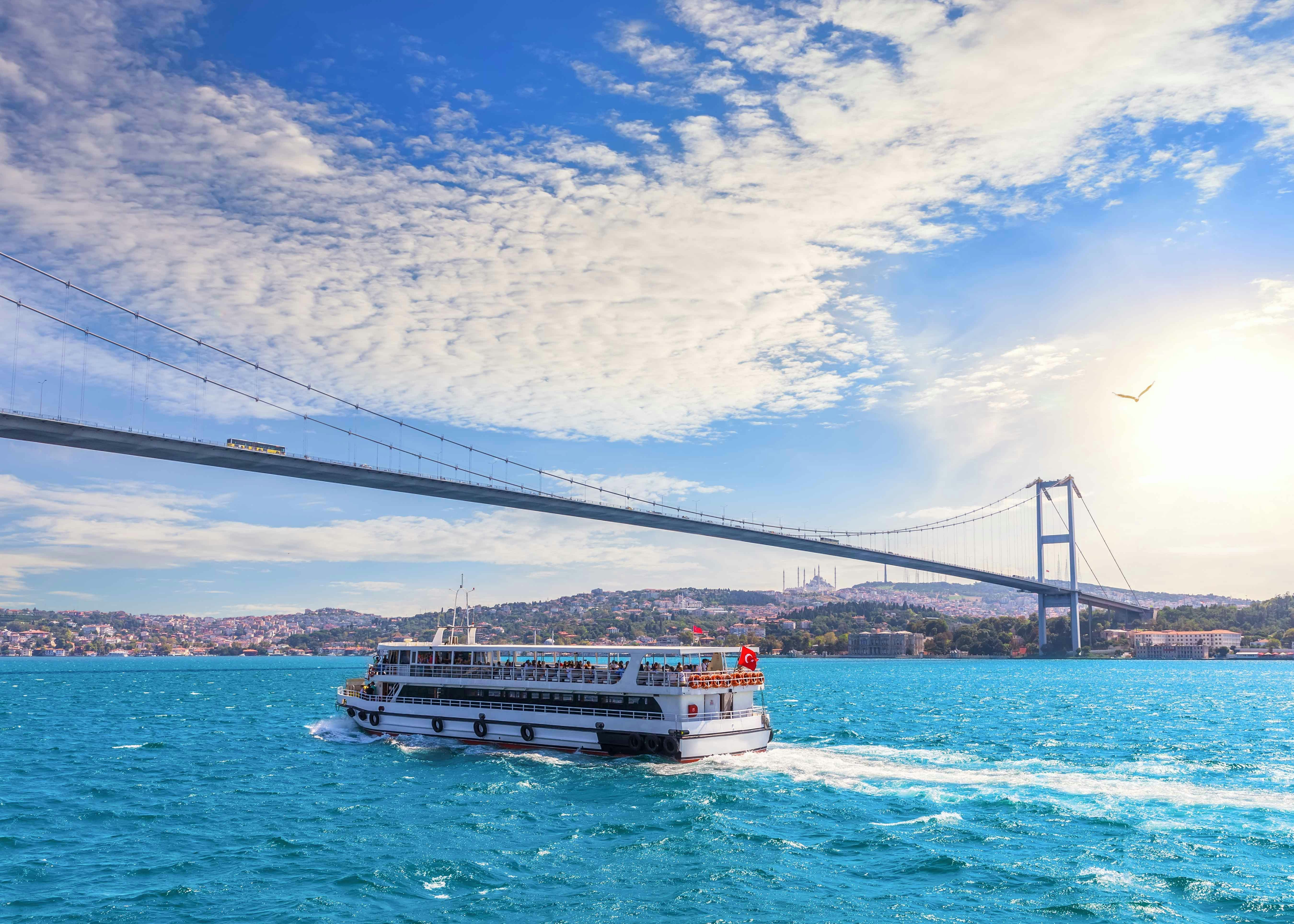
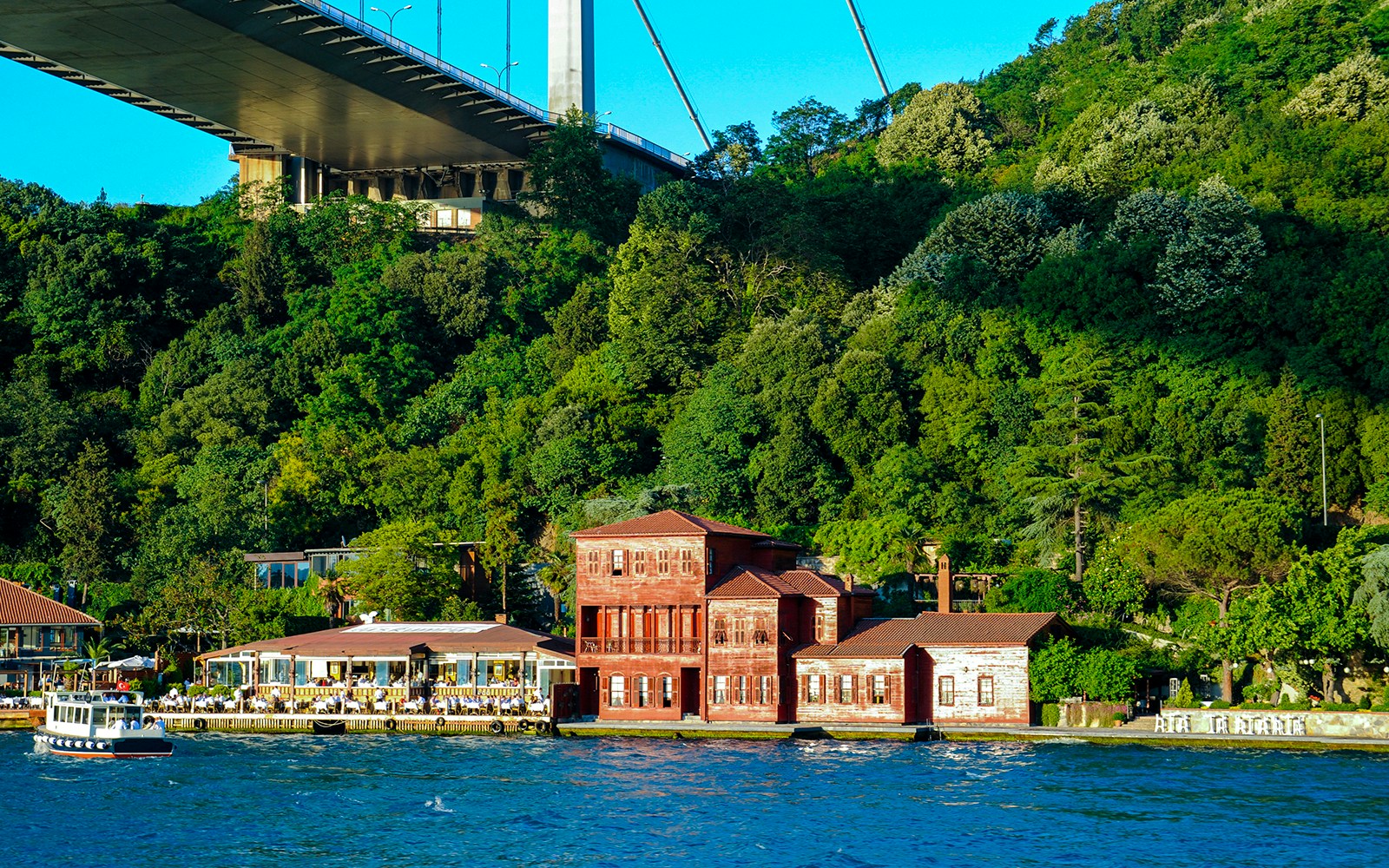
Connecting Europe and Asia, this iconic suspension bridge is a modern engineering marvel. Spanning the Bosphorus Strait, it offers breathtaking views of Istanbul's skyline and serves as a vital transportation link.
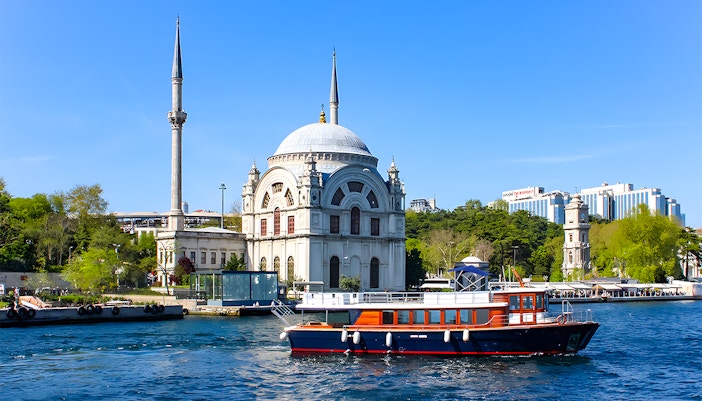
Ortaköy Mosque
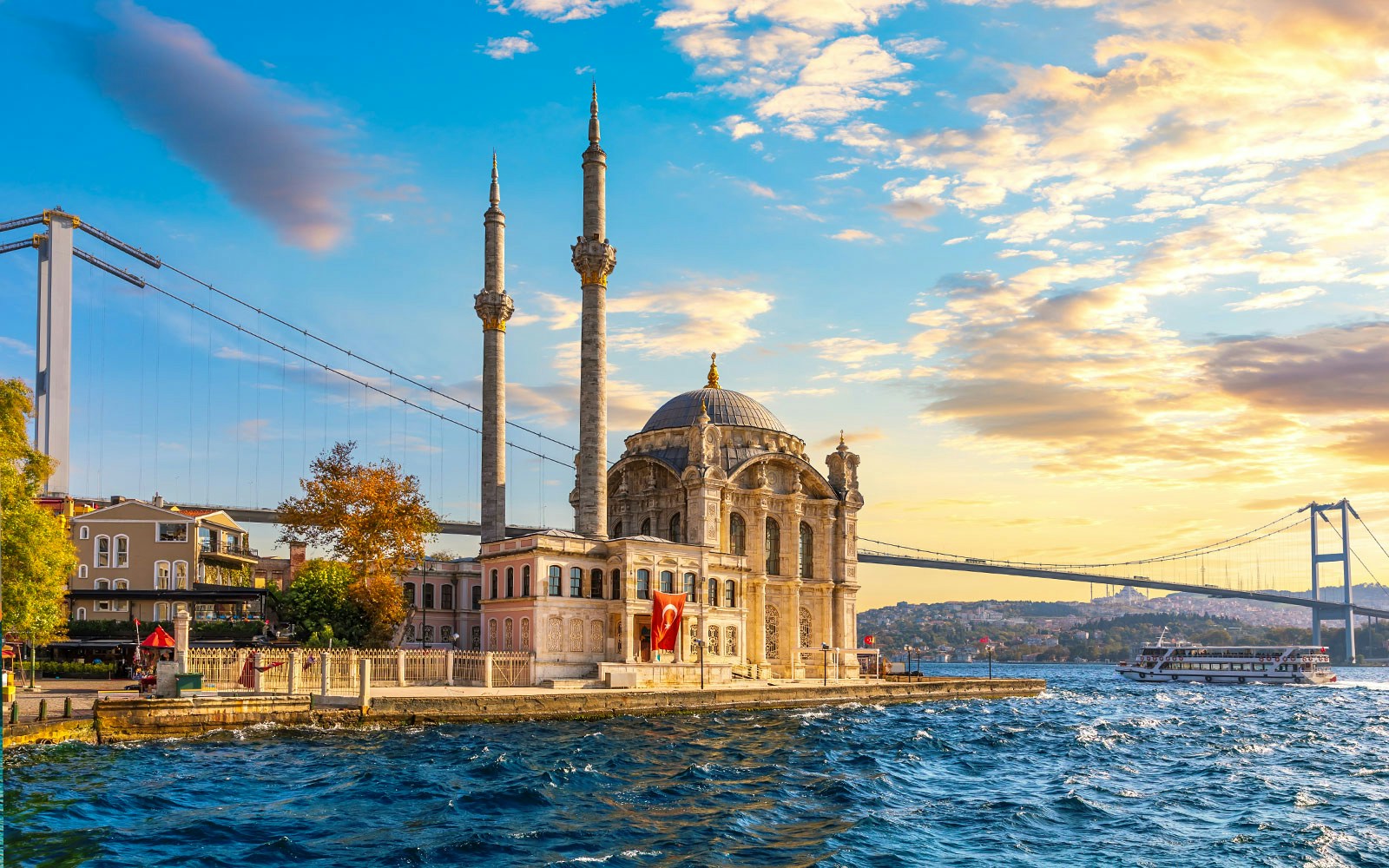
Gracefully situated on the Bosphorus shores, the neo-baroque Ortaköy Mosque mesmerizes with its intricate details and stunning location. Its picturesque setting against the backdrop of the Bosphorus Bridge is truly captivating.
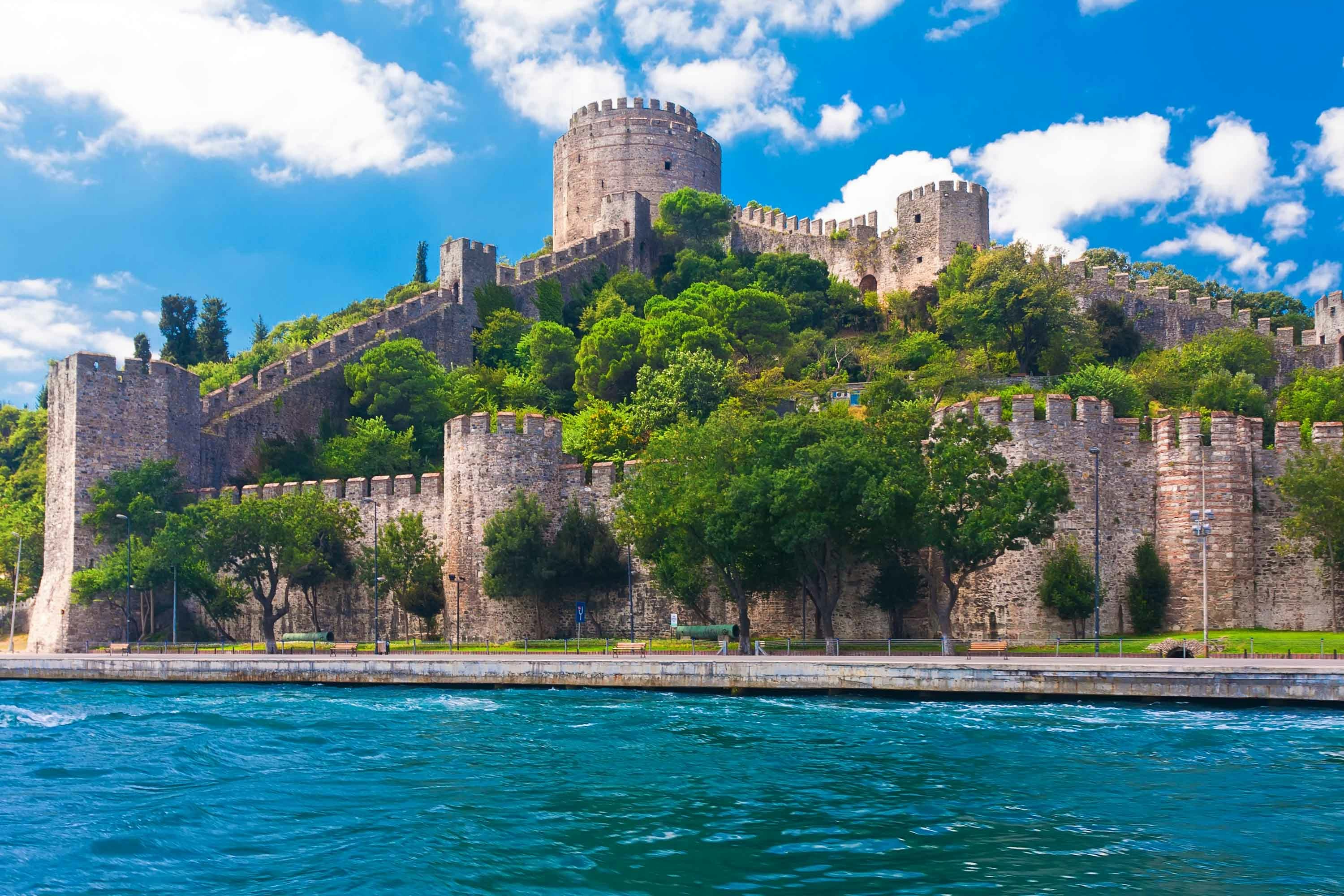
Rumeli Hisarı Fortress
Built by Sultan Mehmed II in the 15th century, Rumeli Hisarı is a historic fortress strategically located at the narrowest point of the Bosphorus Strait. It served to control maritime traffic and protect Istanbul from invaders.
Beylerbeyi Palace
Another architectural gem along the Bosphorus, the 19th-century Beylerbeyi Palace served as a summer residence for Ottoman sultans. Its lavish interiors, adorned with crystal chandeliers and elegant furnishings, reflect the luxury of the Ottoman era.
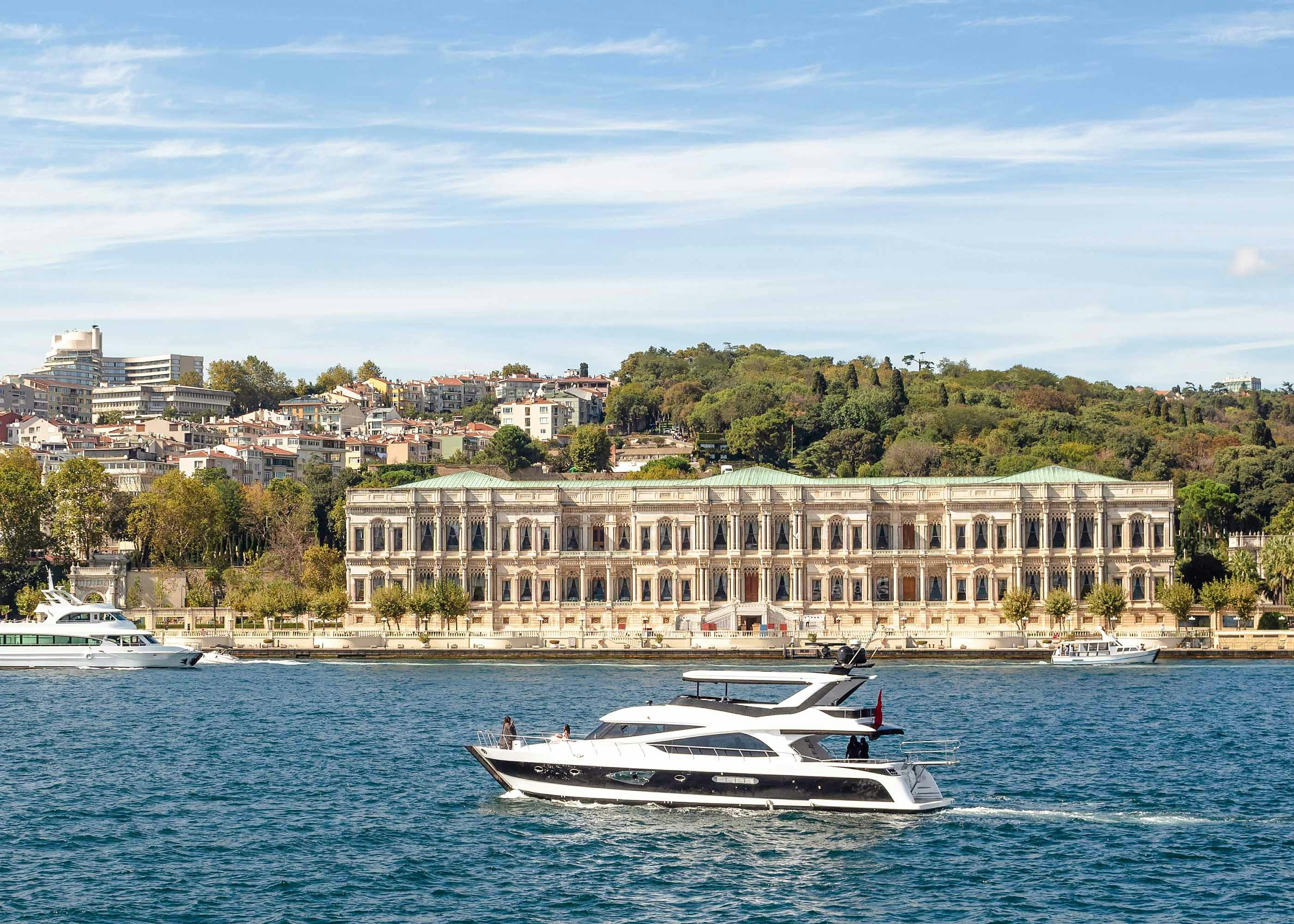
Çırağan Palace
Once a grand imperial palace, today Çırağan Palace serves as a luxury hotel renowned for its exquisite Ottoman architecture and lavish accommodations. Its waterfront location offers unparalleled views of the Bosphorus Strait.
Anadolu Kavağı
A charming fishing village nestled at the northern end of the Bosphorus. Visitors can explore its quaint streets, savor fresh seafood, and climb to Yoros Castle for panoramic views of the strait and the Black Sea.
A brief history of the Bosphorus Strait
The Bosphorus has played a crucial role in Istanbul's history for centuries. This narrow strait separates the two continents of Europe and Asia, making it a significant trade route that has witnessed countless historic events.
The Bosphorus Strait in Antiquity: The Bosphorus Strait played a critical role in the development of ancient civilizations. The region was inhabited by various groups, including the Greeks, Persians, and Romans, who recognized the strategic importance of controlling the waterway. The Greeks established colonies in the region, and the Persians constructed a bridge across the strait to connect the two sides. The Romans also recognized the importance of the Bosphorus and built fortresses to protect their trade routes.
The Bosphorus Strait in medieval times: During the medieval era, the Bosphorus Strait remained a vital trade route connecting Europe and Asia. It was an essential link between the Byzantine Empire and the rest of the world. The Byzantines built numerous castles and forts along its shores to protect their trading vessels from attacks by pirates and rival powers. Throughout the centuries, the Bosphorus has been the site of numerous historic events, from ancient battles to civilizations emerging and evolving. Its importance has never diminished, and it remains a critical waterway for international trade to the present day. Its strategic location has made it a valuable asset for the community, and its legacy continues to endure today.
Bosphorus Strait | Facts & myths
The Bosphorus Strait is a busy and challenging waterway, with an estimated 48,000 ships passing through it annually. It is also the world’s narrowest strait used for international navigation.
The Bosphorus Strait is a chokepoint for the maritime transit of oil and, is a popular shipping route for oil transportation from the Caspian Sea region and Russia to areas including Asia, Western and Southern Europe.
The Bosphorus Strait has been the site of several naval battles throughout history, including the Battle of the Bosphorus in 1915 during World War I.
The Bosphorus Strait was also known as the “Strait of Constantinople” to differentiate it from the Cimmerian Bosphorus in Crimea.
The Bosphorus Strait has inspired many poets, writers, and artists throughout history, including Lord Byron, who described it as "the great ocean stream of Constantinople."
According to a Greek myth, the Bosphorus Strait was created by the Greek goddess Hera, who was jealous of the love between Zeus and Io. She transformed Io into a heifer and sent her on a wild chase across the lands until she reached the Bosphorus, where she leaped across the waters to safety.
The Maiden's Tower (Kız Kulesi) was a military fortification, built to protect Istanbul and the Bosphorus Strait from an invading Persian army. However, legend has it that a princess was locked up in the tower to protect her from a prophesied snake bite, giving the tower its name.
Some locals believe that the Bosphorus is home to a giant sea serpent, while others claim that its waters have healing properties.
Frequently asked questions about the Bosphorus Strait
The Bosphorus Strait is a natural waterway that connects the Black Sea and the Sea of Marmara, and separates the European and Asian sides of Istanbul, Turkey.
The Bosphorus Strait connects the Black Sea to the Sea of Marmara.
The Bosphorus Strait has been a strategically significant waterway for more than 2,500 years, serving as a vital maritime route for trade, culture, and history between Europe and Asia.
The Bosphorus Strait has a strong current that flows from the Black Sea to the Sea of Marmara, with an average speed of 1-2 knots.
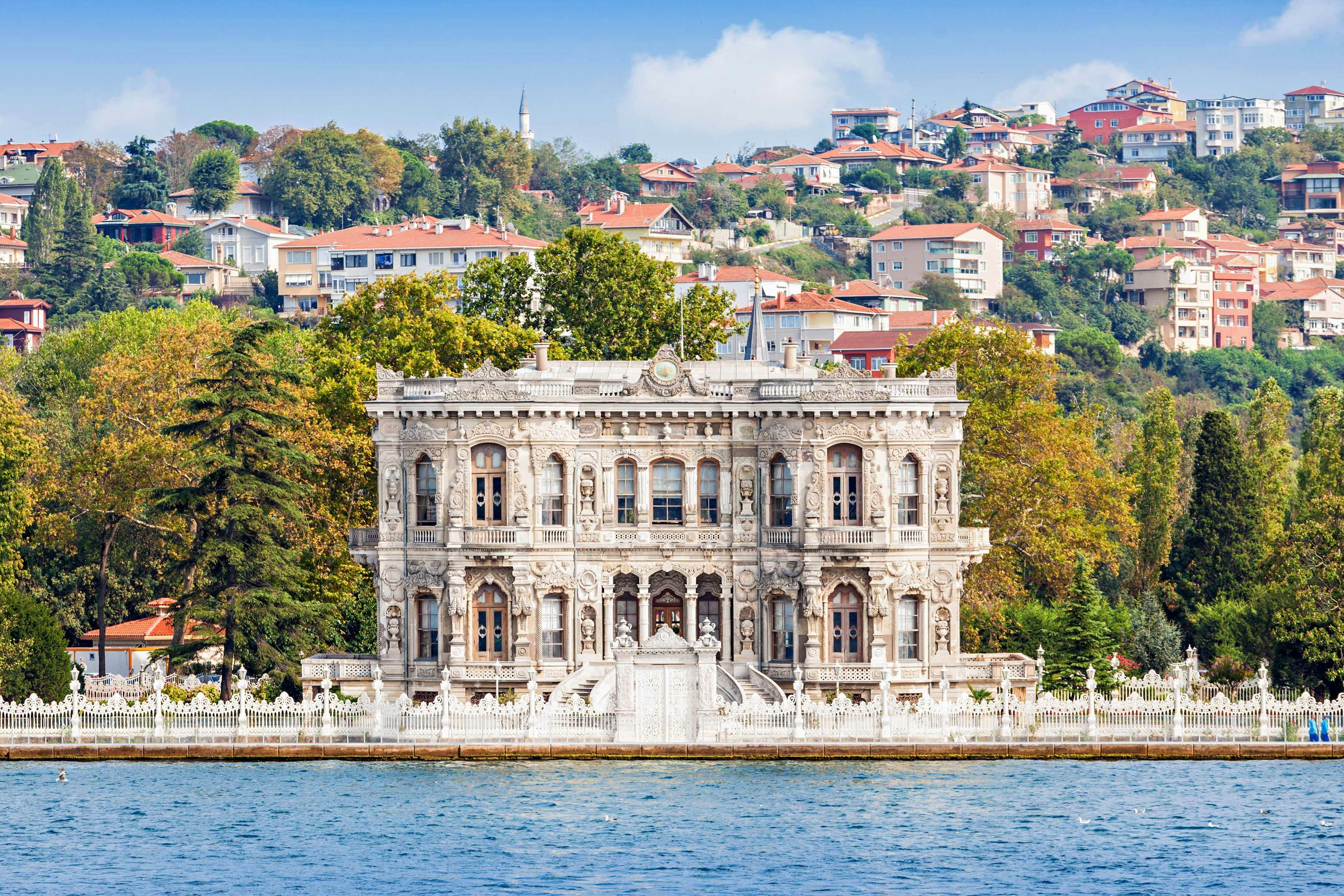
Some of the notable landmarks located on the shores of the Bosphorus Strait include the Dolmabahce Palace, Galata Tower, Bosphorus Bridge, Ciragan Palace, Rumeli Fortress, and Maiden's Tower, among many others.
An estimated 48,000 vessels pass through the Bosphorus Strait every year, making it one of the world's busiest shipping lanes.
The Bosphorus Strait is home to a variety of marine life, including dolphins, seals, and several species of fish.
Traditional Turkish dishes served along the Bosphorus include grilled meats, kebabs, meze dishes, and seafood.
The ideal time to visit the Bosphorus Strait and go on a Bosphorus cruise is from March to May or September to November when the weather is pleasant and the city is less crowded.
The weather along the Bosphorus Strait varies depending on the season. Summers are typically hot and humid, while winters can be cold and rainy. The spring and autumn months offer pleasant weather with optimal temperatures and low chances of rain.