Are the Princes' Islands worth visiting?

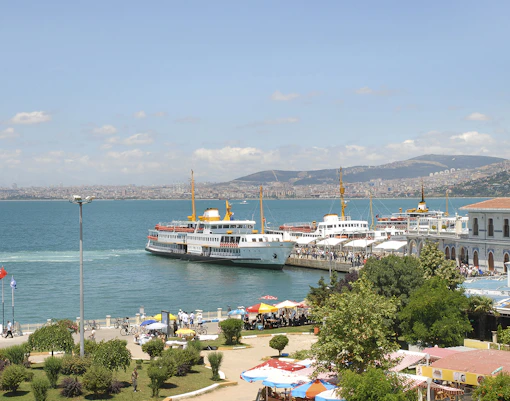
Salt in the air, gulls circling overhead, and the sound of engines fading behind you, the shift begins before you even dock. By the time you step onto the quay, Istanbul’s traffic has been replaced by pine shade, wooden villas, and the kind of streets that invite you to slow down.

For centuries, these islands served as places of removal and retreat: grounds of exile in the Byzantine era, then warm-weather refuges for Istanbul’s urban elite. This layered history explains why the islands still feel set apart from the city rather than simply attached to it.

The payoff is not one single monument but a change in tempo. You come for sea views, hill walks, beaches, and long lunches by the water, but leave remembering how quickly Istanbul dissolved behind you.

Skip it if: you dislike ferry crossings, steep uphill walks, or loosely structured outdoor day trips.

What to see on the Princes’ Islands?

Büyükada waterfront and wooden mansions
1/8

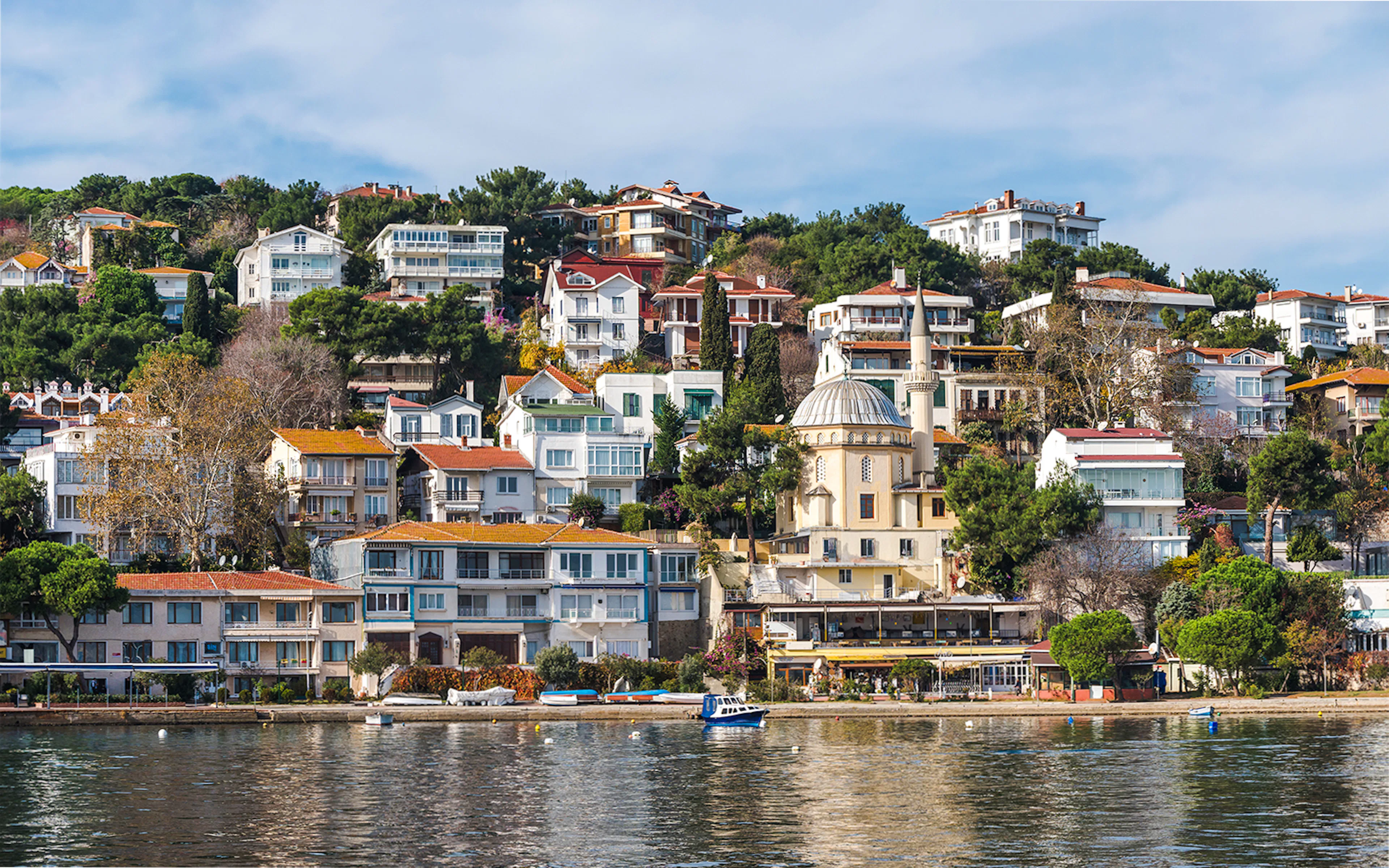
Buyukada waterfront and mansions

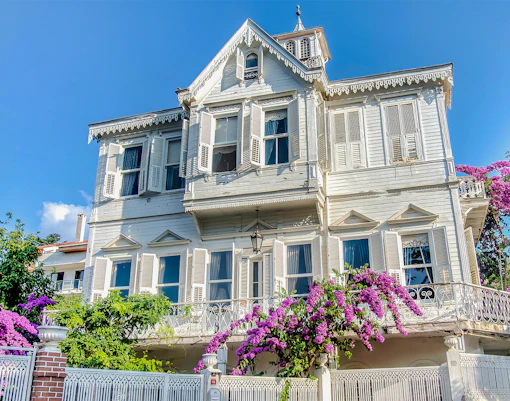
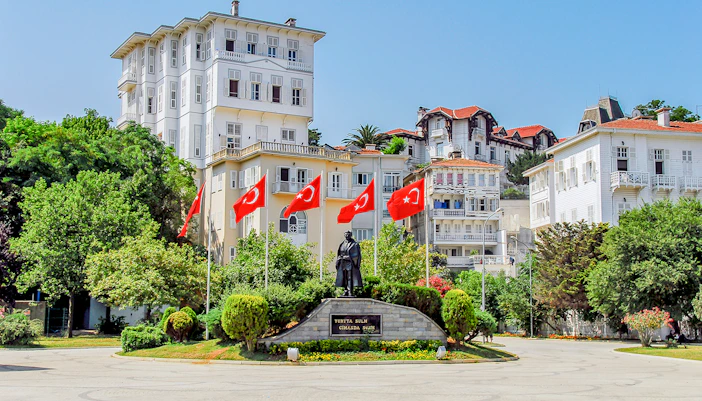
The busiest first stop, lined with ferry traffic, seafood restaurants, and late Ottoman wooden houses. Start here if you want the classic island atmosphere and the widest choice of cafés, rentals, and uphill walking routes.

Aya Yorgi Hill

Buyukada’s best-known viewpoint rewards the climb with wide Marmara views and a hilltop church. Go before lunch if you can; midday heat makes the ascent feel longer, and the final stretch is the most exposed.

Heybeliada pine roads

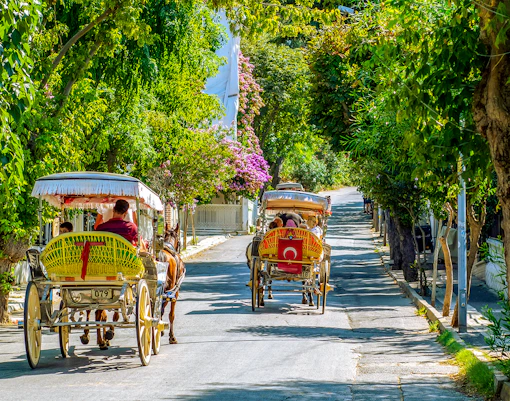
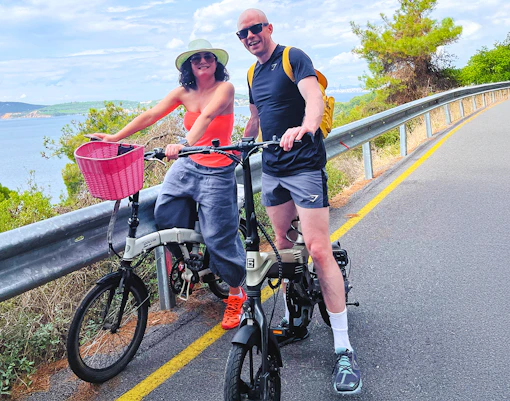
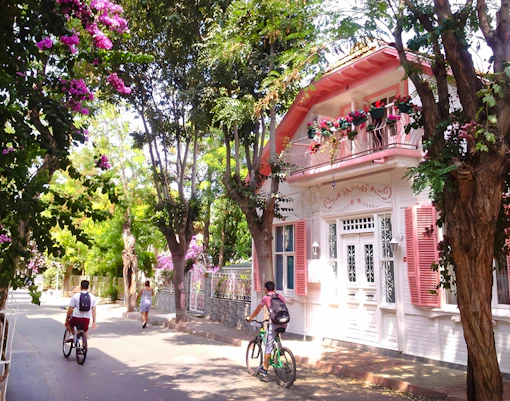
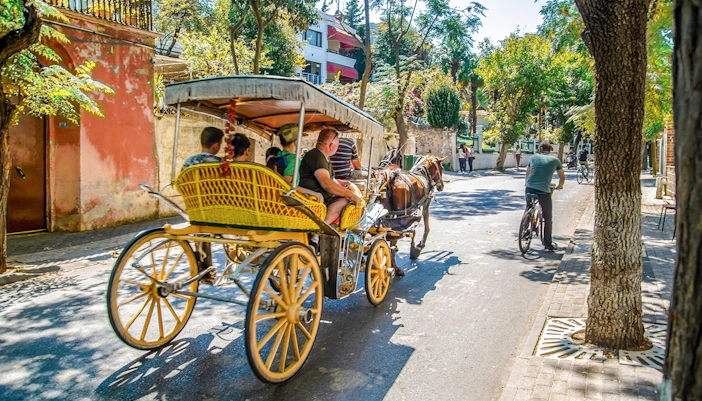
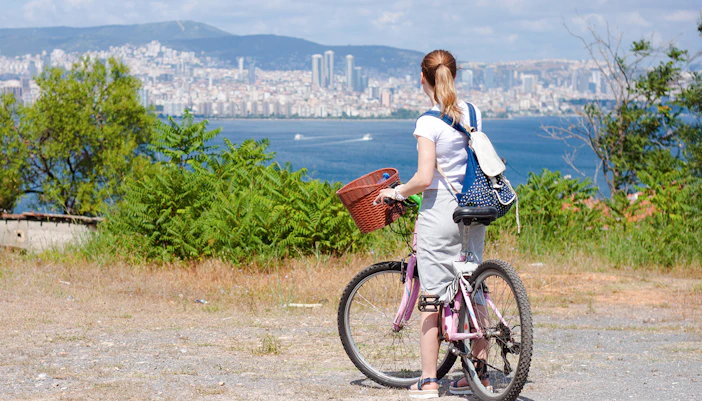
Quieter and greener than Buyukada, with shaded lanes that suit walking and cycling. If you want a slower first island and less commercial harbor energy, Heybeliada is often the more relaxing choice.

Heybeliada hillside stops

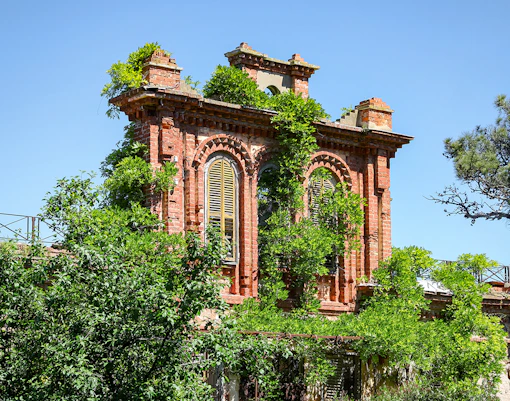
This island works through accumulation rather than one headline sight: monasteries, old summer homes, sea-facing pauses, and forested roads. Budget time to wander instead of rushing from pin to pin on a map.

Burgazada waterfront

Smaller, more residential, and easier to explore during a short visit. Come for coves, a compact village center, and a calmer lunch stop if Buyukada feels too crowded on summer weekends.

Kinaliada beaches

Closest to Istanbul and popular for quick summer swims. Its terrain is barer and more sun-exposed than that of the other main islands, so it suits beach time better than long, shaded uphill walks.

Maiden’s Tower

This tiny tower off Uskudar is the landmark people wait for. Boats usually slow here for photos, and evening cruises catch it at its best, isolated against the city lights.

The greener northern stretch

Longer 2-hour and 2.5-hour routes push farther north toward the Fatih Sultan Mehmet Bridge, where the shoreline turns quieter and greener. Choose this route if you want fortresses and fewer dense city views.

How to explore the Princes’ Islands

Suggested flow or route

For a first visit, start with an early ferry and choose one anchor island rather than trying to visit all four. Buyukada suits a classic full day; Heybeliada works better if you want more shade and a gentler pace. Walk or ride uphill before lunch, when the roads are cooler and the harbor crowds are still thin, then leave beach time or a waterfront meal for later.

Time needed

Budget 4–6 hours if you plan to focus on one island, 7–8 hours if you want to combine Heybeliada and Buyukada, and an overnight stay if you want beaches, sunset, and a slower dinner without watching the return ferry schedule.

Must-see vs optional

Must-see: Buyukada’s waterfront mansions and Aya Yorgi Hill, or Heybeliada’s pine-shaded lanes and sea views.

Optional: Burgazada for a calmer lunch stop, or Kinaliada for a short swim-focused detour; each usually adds about 1–2 hours including ferry time.

Guided vs self-paced

A self-paced visit works well if you are focusing on one island, but the Istanbul to Princes' Islands Full-Day Guided Tour is a better fit if you want to combine two islands without spending the day managing ferry timings and connections.

Brief history of the Princes’ Islands

  • Byzantine period: The islands were used as places of exile for princes, clerics, and political rivals, which gave the archipelago its lasting name.
  • Ottoman period: Monasteries, fishing villages, and summer residences kept the islands quiet but closely tied to imperial Istanbul.
  • 19th century: Regular steam ferry links turned Buyukada, Heybeliada, Burgazada, and Kinaliada into fashionable warm-weather retreats.
  • Late 19th to early 20th century: Wooden mansions, clubs, schools, and waterfront promenades shaped the built landscape visitors still notice today.
  • Republican era: Limited motor traffic helped preserve the slower rhythm that distinguished the islands from the expanding mainland city.
  • Today: The islands remain Istanbul’s easiest sea escape for hill walks, beaches, historic neighborhoods, and ferry views.

Architecture of the Princes’ Islands

Style
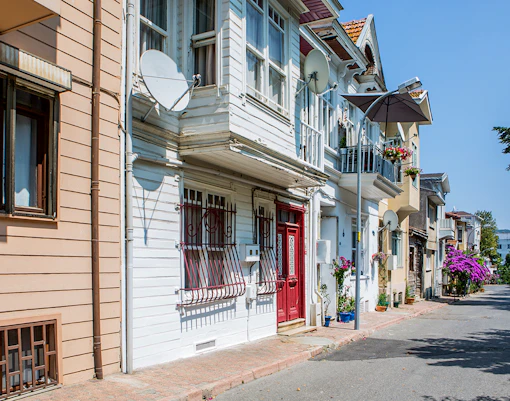
Late Ottoman island architecture dominates the inhabited neighborhoods, with timber villas, shutters, verandas, and garden walls that feel domestic rather than monumental.

Materials

Painted wood, masonry lower levels, tiled roofs, and wrought-iron balconies appear repeatedly along waterfront streets and uphill residential lanes.

Layout

The built form follows the shoreline and climbs into wooded slopes, so houses, monasteries, and cafés are arranged by incline rather than a strict city grid.

Experiential detail

What you notice most is breathing room, sea glimpses between houses, pine scent on uphill roads, and neighborhoods designed for walking slowly.

Who built the Princes’ Islands?

The Princes’ Islands were not built by a single architect or patron; they are a natural archipelago shaped over centuries by Byzantine monasteries, Ottoman summer houses, and 19th-century island mansions. What visitors experience today is a layered settlement pattern rather than one planned creation.

Why the Princes’ Islands matter

The Princes’ Islands are more than a day-trip escape from Istanbul; they are part of the city’s rhythm. Even as Istanbul expanded outward and upward, the ferry journey preserved its ritual value: tea on deck, the skyline slowly fading behind you, then a few hours of sea air and unhurried streets. This lasting local connection is why the islands feel lived-in rather than staged. You are not arriving at an isolated resort zone, but stepping into a long-standing urban tradition that Istanbul residents still use to reset, swim, walk, eat slowly, and breathe.

Frequently asked questions about the Princes’ Islands

Yes, especially if you want a quieter counterpoint to central Istanbul. The easiest first step is pre-booking Istanbul to Princes’ Islands Round-Trip Ferry Tickets or the Istanbul to Princes' Islands Full-Day Guided Tour so your transport is sorted.

More reads